
 Ages 4 to 6
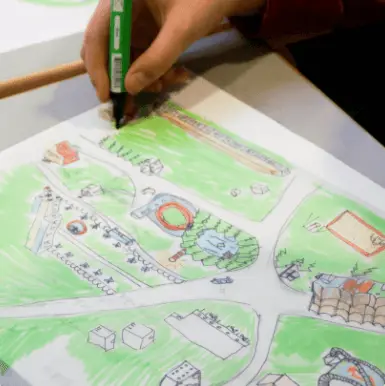
Sensory Walk
3 to 4 hours total delivery time
In this project, the pupils become personally acquainted with their immediate surroundings through all their senses.
Arkki Australia
A structured design and architecture pedagogy for ages 4 to 18, run by GLS in schools, councils and studios.
30+
Years of method development
300+
Projects in the global library
6,000+
Students reached in Australia
4 to 18
Age range supported
In-curriculum sequences, incursions and enrichment blocks.
Holiday programs and community workshops.
Age-appropriate design sessions for early learning centres, before and after school care and vacation care.
GLS holds the Australian operating rights and is responsible for facilitator training, quality assurance and delivery standards across every Arkki session run here.
The method
Arkki has been developed over three decades in Finland with a defined progression.
Students build, test and rebuild. Understanding comes from the making.
Open briefs with real constraints, where more than one answer can be correct.
Scale, structure, material and site reasoned about physically.
Students work in teams and present and defend their decisions.
Briefs, materials and expectations change with the cohort. The design cycle stays the same.
Delivery detail
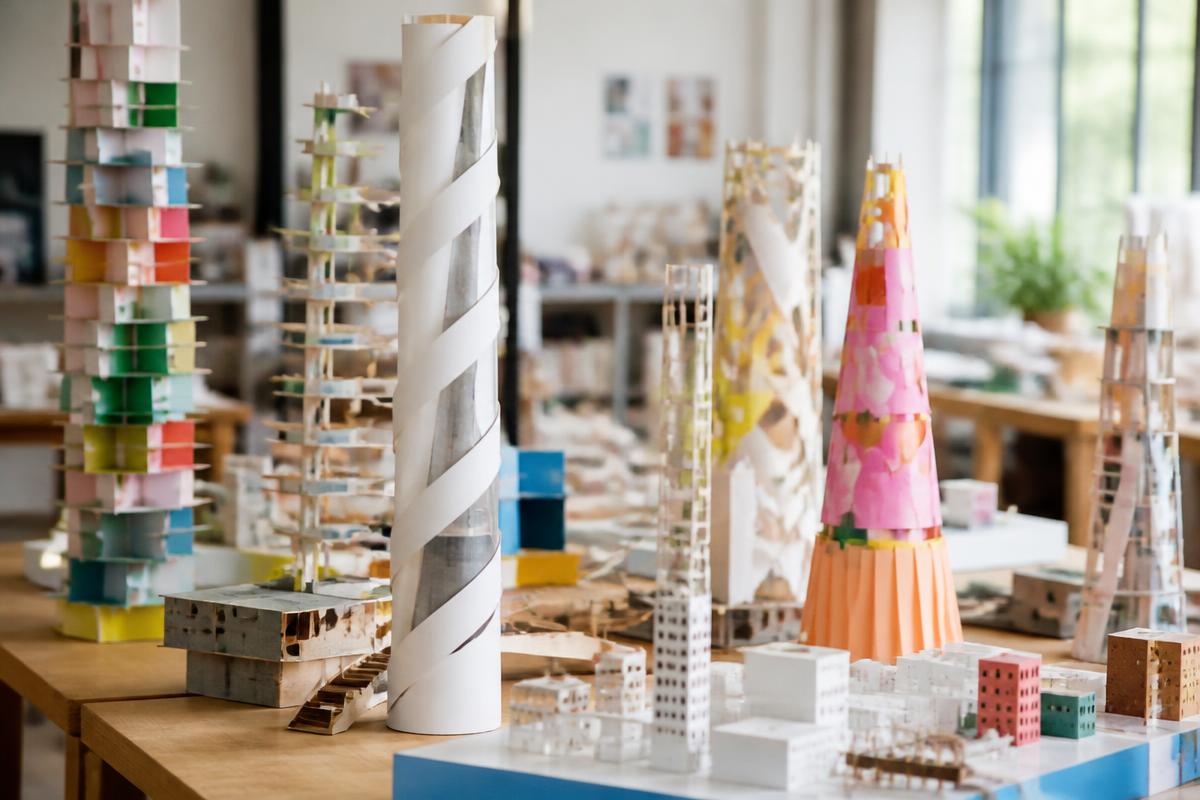
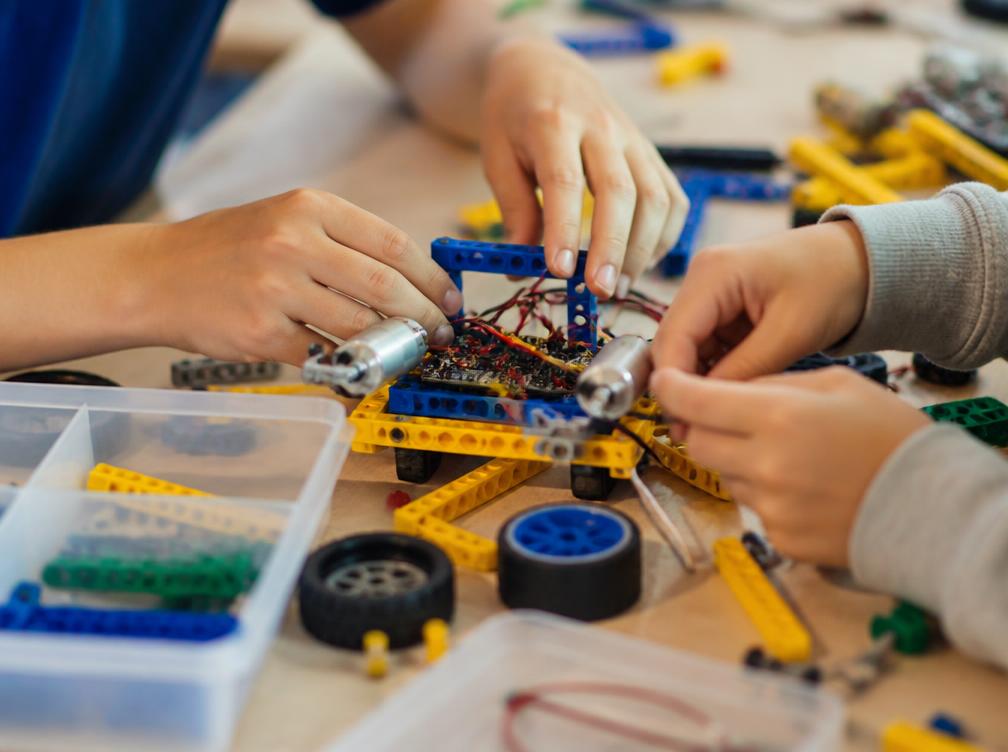
Students respond to an open design brief, sketch and test options, then build a physical artefact such as a tower, bridge, city block or future environment. Each session ends with a short presentation and critique.
Delivery formats
The same four steps run in every setting. Only the time allocation changes.
2 to 4 x 60-minute periods
Slots into your weekly timetable across the term.
1 x 2 to 4 hour workshop
A single immersive community session.
1 week, 40 minutes per day
Short daily sessions over a single week.
01
Explore a creative challenge through stories, images and discussion.
02
Brainstorm, draw concepts and plan solutions before touching materials.
03
Construct models and prototypes with real materials, testing as you go.
04
Share the work and explain the thinking behind each decision.
Module library
Each module carries a stated delivery time, curriculum areas and its own aims. Filter by age band, then open a module for the full brief.
Showing 24 of 24 modules
Ages 4 to 63 to 4 hours total delivery time
In this project, the pupils become personally acquainted with their immediate surroundings through all their senses.
 Ages 7 to 9
3 to 4 hours total delivery time
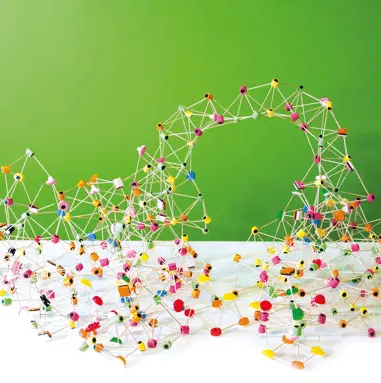
Using edible joints (marshmallows, gumdrops) and stick members (toothpicks, spaghetti), learners build towers and bridges, discovering how triangular trusses add stiffness.
 Ages 7 to 9
3 to 4 hours total delivery time
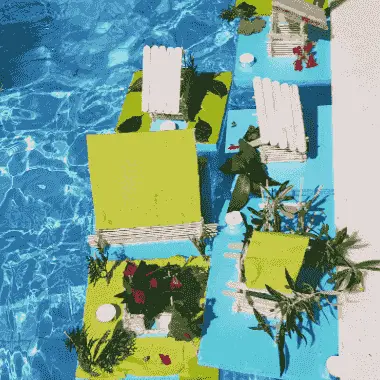
In this fantasy-framed activity, pupils sketch, prototype and build a scale model of a house (or village) that floats on water.
 Ages 7 to 9
3 to 4 hours total delivery time
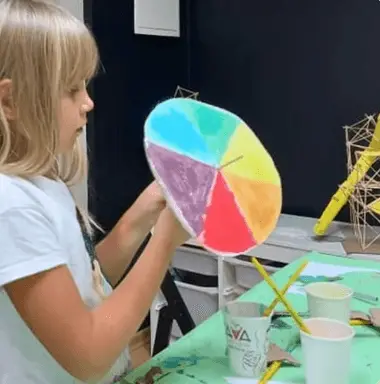
In this project, the pupils get acquainted with the Subtractive colour theory and experiment how to mix secondary colours from primary colours using pigmented paints.
 Ages 7 to 9
2 to 3 hours total delivery time
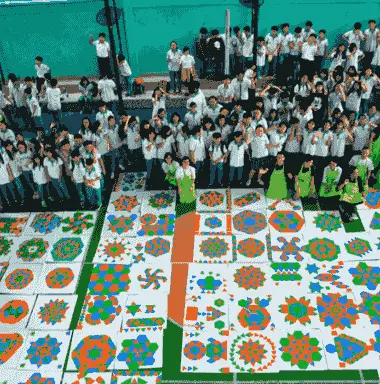
In this project, the pupils study the use of ornaments in architecture, such as plant ornaments, animal ornaments, and especially ornaments based on geometric forms.
 Ages 7 to 9
3 to 4 hours total delivery time
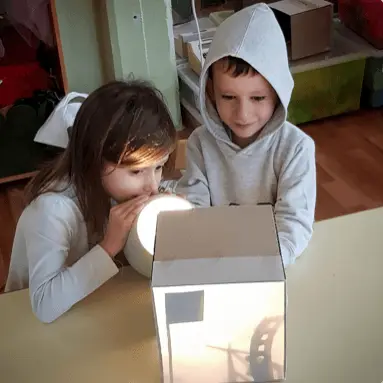
In this project, the pupils learn about the art of shadow theatre and its history, starting from East Asia, hands-on.
 Ages 7 to 9
2 to 3 hours total delivery time
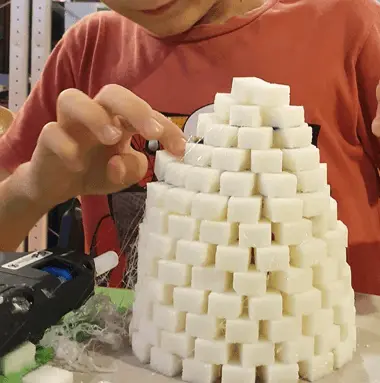
This project provides an introduction to brick building techniques.
 Ages 10 to 12
3 to 4 hours total delivery time
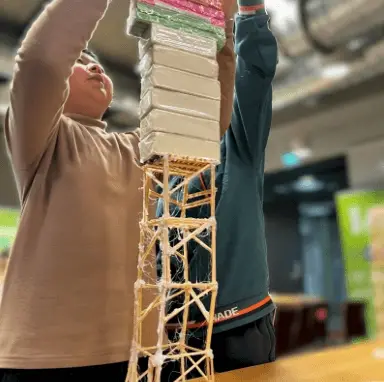
In this project, the pupils are introduced to the concept of diagonal brace in engineering, and the significance of the diagonal beams bracing rectangular structures to withstand forces called the compression and tension forces that affect structures.
 Ages 10 to 12
3 to 4 hours total delivery time
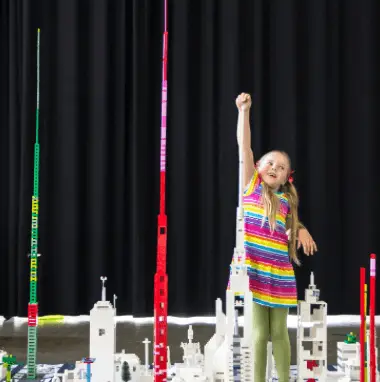
A festival-style studio where visitors build imaginative buildings from LEGO at 1 : 100 or 1 : 500 scale and place them on a giant city map.
 Ages 10 to 12
2 to 3 hours total delivery time
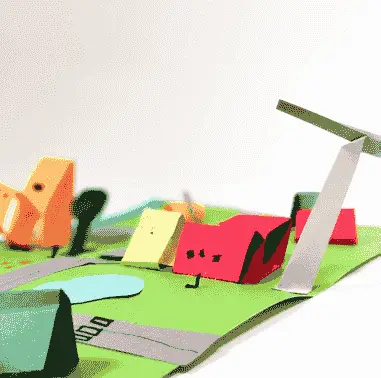
Learners transform a single A4 sheet into a three-dimensional pop-up house.
 Ages 10 to 12
2 to 3 hours total delivery time
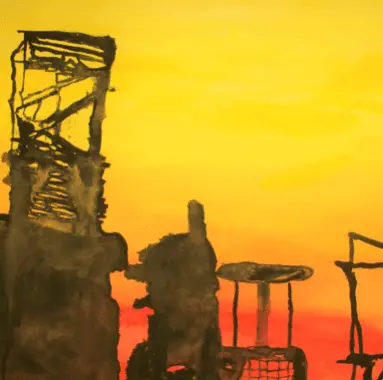
In this project, the pupils experiment with three-dimensional forms and test how three-dimensional forms cast different two-dimensional shadow footprints depending on the position and distance of the light source.
 Ages 10 to 12
3 to 4 hours total delivery time
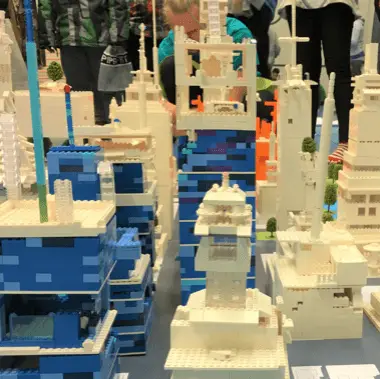
The Block City project introduces the basics of urban planning.
 Ages 10 to 12
3 to 4 hours total delivery time
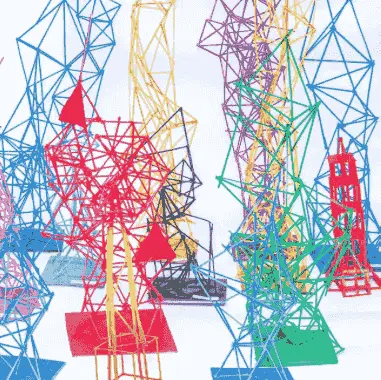
In this project, the pupils learn about physics and structures with interesting and fun tests and experimentation.
 Ages 10 to 12
2 to 3 hours total delivery time
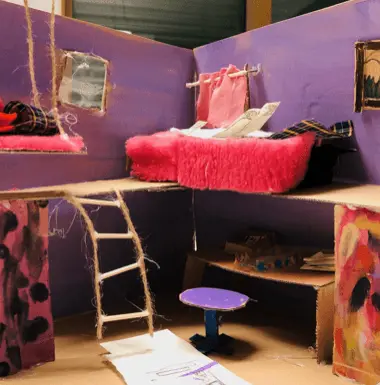
In this project, the pupils imagine, design, and build their own dream rooms.
 Ages 10 to 12
3 to 4 hours total delivery time
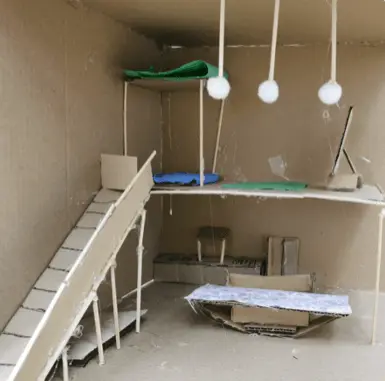
In this project, the pupils design a complete interior with furniture.
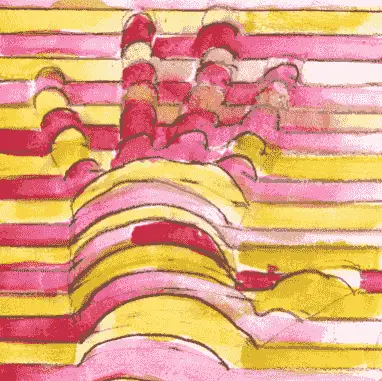 Ages 10 to 12
1 to 2 hours total delivery time
In this project, the pupils practice painting techniques and revise their knowledge about classical colour theory, primary and secondary colours, analogous colours, and complementary colours.
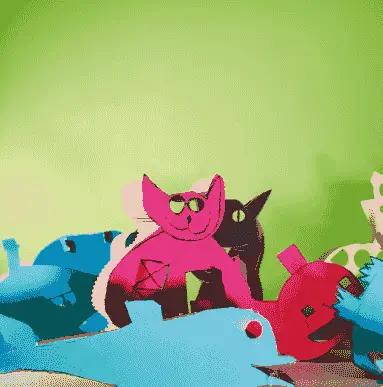 Ages 10 to 12
3 to 4 hours total delivery time
In this project, the pupils learn hands-on the concepts of cross-section and elevation by designing and constructing a model of an animal-shaped house.
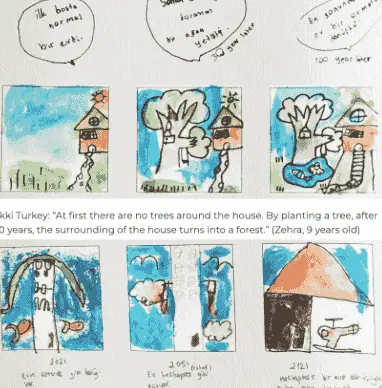 Ages 10 to 12
3 to 4 hours total delivery time
In this project, the pupils create and present an idea or a story as a comic strip.
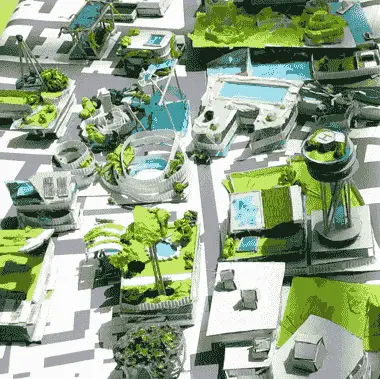 Ages 13 to 15
3 to 4 hours total delivery time
Pupils imagine and build a sustainable, inclusive city of tomorrow.
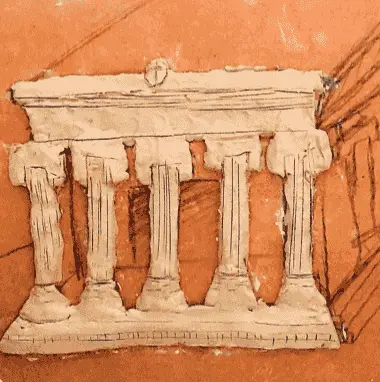 Ages 13 to 15
3 to 4 hours total delivery time
In this project, the pupils study temple facades and become acquainted with history, traditions, the concept of symmetry, as well as details and structural elements in the temple facades and the terms related to them.
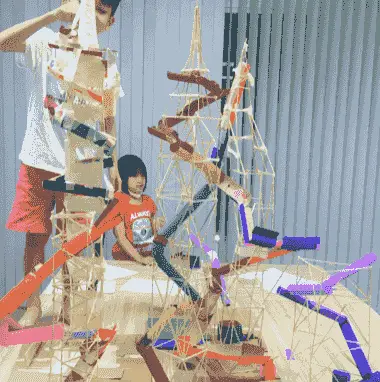 Ages 13 to 15
3 to 4 hours total delivery time
In the Marble Track project, the pupils construct a functioning marble track game inspired by rollercoasters and slides.
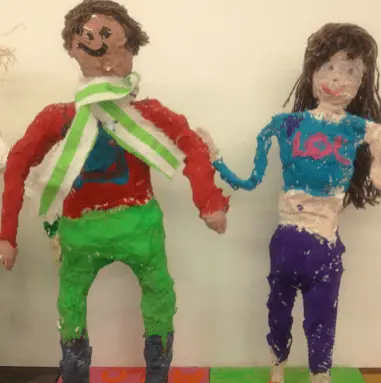 Ages 13 to 15
3 to 4 hours total delivery time
In this project, the pupils study human proportions and scales.
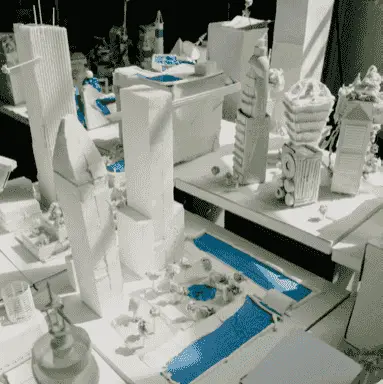 Ages 16 to 18
3 to 4 hours total delivery time
The Recycled City project introduces the basic concepts of urban planning.
 Ages 16 to 18
1 to 2 hours total delivery time
In this project, the pupils learn about different types of axonometric projections: isometric, dimetric, and trimetric, and learn how to draw their own isometric projection.
The published library is a selection, not an even spread. Coverage is deepest for ages 10 to 12 and thinnest for ages 4 to 6 and 16 to 18. Modules outside the published set are scoped on request.
Where Arkki comes from
Founded in Finland in 1993, operating internationally since 2013, now running in 11 countries. The motto has not changed: Play, Create, Succeed.
The Arkki curriculum is based on the National Core Curriculum of Basic Education in Architecture and Arts, issued by Finland's Ministry of Education and Culture in 1993. Being based on a curriculum a ministry issued is not the same as being endorsed by that ministry, and GLS does not claim otherwise.
Finnish recognition. Arkki Australia is an affiliated partner of Arkki International, delivering the Arkki program in Australia under that affiliation. GLS does not claim endorsement or certification by any Finnish government body.
Schools, councils, childcare and OSHC settings are scoped and quoted by GLS against your cohort, setting and dates. Tell us the age groups, setting and timeframe and we will return a scoped Arkki program with facilitator and materials detail.
Tell us the age groups, setting and timeframe through the GLS contact form. We will return a scoped Arkki program with facilitator and materials detail.
Go to the contact formGLS supports franchise partners with training, curriculum, systems and quality assurance.